
Exploring The Fusion of Stitch and Print in Clothing | Screen 101
Welcome to the dynamic world of stitch and print in clothing or the more technical term of embroidery, where traditional craftsmanship meets modern technology, creating a symphony of style and innovation. In this article, we’ll delve into the intricacies of these techniques, exploring their applications, benefits, and future trends, providing you with a comprehensive understanding of this fascinating aspect of the fashion industry.
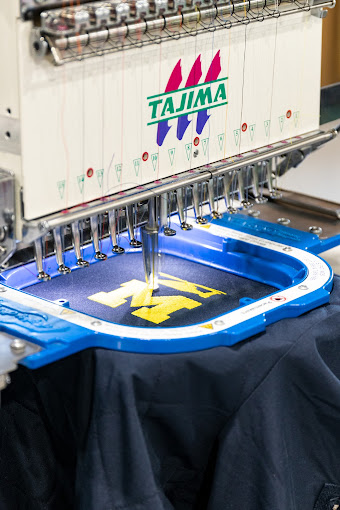
Understanding Stitch Techniques
Stitching forms the backbone of garment construction, providing both structural integrity and aesthetic appeal. Basic stitching techniques like straight stitch and zigzag stitch lay the foundation for garment assembly, ensuring seams that are strong and durable. Advanced techniques such as overlock stitching and coverstitching add finesse and decorative elements to garments, elevating them from ordinary to extraordinary.
Exploring Printing Methods
Printing on fabric opens up a world of possibilities for customization and creativity. Screen printing, a traditional method involving the transfer of ink through a mesh screen, is ideal for large-scale production and bold designs. Digital printing, on the other hand, utilizes specialized printers to apply designs directly onto fabric, offering high-resolution results with intricate details. Sublimation printing, a heat-based method, is popular for sportswear and activewear due to its ability to produce vibrant, fade-resistant prints.
Benefits of Stitch and Print in Clothing
The combination of stitching and printing techniques offers numerous benefits for both manufacturers and consumers. Customization options allow for unique designs tailored to individual preferences, while the durability of stitched and printed garments ensures longevity and wearability. The versatility of these techniques allows for their application across a wide range of fabrics and garment styles, making them suitable for various fashion needs.
Applications of Stitch and Print in Clothing
Stitch and print techniques find extensive applications across different industries and purposes. In the fashion industry, they are used to create visually stunning designs, from intricate embroidery to bold graphic prints. Corporations utilize these techniques for branding purposes, whether through custom uniforms or promotional merchandise. Additionally, stitch and print methods are employed in creating promotional merchandise for events and marketing campaigns, serving as effective tools for brand promotion and recognition.
Choosing the Right Stitch and Print Method
Selecting the appropriate stitch and print method is essential for achieving desired results in clothing production. Factors such as fabric type, design complexity, and budget considerations play crucial roles in this decision-making process. By considering these factors carefully, manufacturers can ensure compatibility, quality, and cost-effectiveness in their production processes.
Tips for Successful Stitch and Print Projects
To ensure successful outcomes in stitch and print projects, attention to detail and strategic planning are paramount. Proper preparation of design files, rigorous quality control measures, and collaboration with reputable suppliers are essential steps in the production process. By adhering to these guidelines, manufacturers can maintain consistency, integrity, and excellence in their products.
Innovations in Stitch and Print Technology
Advancements in technology continue to drive innovation in stitch and print techniques, leading to sustainable practices and enhanced efficiency. Sustainable materials and production methods contribute to reducing environmental impact and promoting eco-conscious fashion. Integration of digital technologies, such as 3D printing and smart textiles, revolutionizes stitch and print techniques, opening new avenues for creativity and customization.
Case Studies
Examining real-world examples of successful stitch and print implementation provides valuable insights into best practices and potential challenges. By studying success stories from various industries, manufacturers can learn from past experiences and apply these lessons to their own projects, thereby increasing the likelihood of success and innovation.
Challenges and Solutions
While stitch and print techniques offer numerous advantages, they also present unique challenges that require innovative solutions. Quality control issues, complex designs, and environmental concerns are some of the challenges manufacturers may face. However, through thorough testing, advanced technologies, and sustainable practices, these challenges can be overcome, ensuring the continued success and advancement of stitch and print in clothing.
Future Trends in Stitch and Print
The future of stitch and print in clothing is marked by trends that embrace personalization, digital integration, and eco-friendly practices. As consumers seek more personalized and sustainable fashion options, manufacturers are poised to meet these demands with innovative solutions. By staying abreast of emerging trends and technologies, manufacturers can position themselves at the forefront of the industry, driving creativity, sustainability, and consumer satisfaction.
Conclusion
In conclusion, stitch and print techniques represent a fusion of art and technology, offering endless possibilities for creativity, customization, and innovation in the fashion industry. By understanding the intricacies of these techniques, manufacturers can harness their potential to create garments that are not only stylish and durable but also sustainable and socially responsible. As we look towards the future, the possibilities for stitch and print in clothing are limitless, promising a world where fashion is as unique and diverse as the individuals who wear it.
FAQs on Stitch and Print in Clothing
- What are the main benefits of using stitch and print techniques in clothing production?
- The main benefits include customization options, durability, and versatility, allowing for unique designs tailored to individual preferences.
- How do manufacturers choose the right stitch and print method for their projects?
- Manufacturers consider factors such as fabric type, design complexity, and budget considerations to select the most suitable method for their production needs.
- What are some common challenges faced in stitch and print projects, and how can they be overcome?
- Common challenges include quality control issues, complex designs, and environmental concerns. These challenges can be overcome through thorough testing, advanced technologies, and sustainable practices.
- What are some emerging trends in stitch and print technology?
- Emerging trends include personalization, digital integration, and eco-friendly practices, reflecting consumer demand for more sustainable and customizable fashion options.
- How can manufacturers stay ahead of the curve in the ever-evolving world of stitch and print in clothing?
- By staying abreast of emerging trends and technologies, collaborating with reputable suppliers, and embracing sustainable practices, manufacturers can position themselves at the forefront of the industry, driving creativity, sustainability, and consumer satisfaction.
 T Shirt Printing | Sheffield
Leave a comment